These are the baby bottle brands nominated by real Singapore parents at the theAsianparent Awards 2026 — the parenting community's own shortlist, verified by our Singapore editors.
A baby bottle is simply a container used to feed expressed breast milk or formula to your infant, and choosing the right one can make feeding times smoother for both you and your baby. Since Singapore's humid climate and busy urban lifestyle mean many parents combine breastfeeding with bottle-feeding, you'll want to consider how well the bottle mimics breastfeeding (to avoid nipple confusion), how easy it is to clean and sterilise in your home setup, and whether the teat size matches your baby's age and feeding stage. Budget varies widely across brands and materials—glass bottles tend to be pricier but more durable, while plastic is lighter for on-the-go use. Also think about heat retention for keeping feeds warm, and whether you can easily find replacement parts locally, since teats wear out and you'll need spares. Visit major pharmacy chains, supermarkets, or baby stores around your neighbourhood (like those at malls) to hold bottles and feel the teat flexibility before committing to a full set.
One honest tip: don't assume your baby will love the first bottle you buy. Many parents find success with keeping 2–3 different bottle styles at home so your little one has options, and your caregiver or partner can find what works best when you're not around. This small investment in variety often saves frustration and waste down the line.
The 2026 nominees
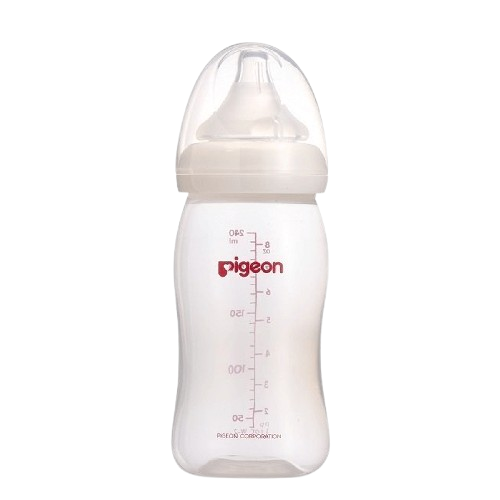
Pigeon
Japanese brand widely available across Asia with a strong reputation for quality and affordability. Their bottles feature soft, natural teats and come in various sizes for different stages. Popular choice for Singapore parents seeking reliable, accessible everyday bottles with trusted heritage in the Asian market.
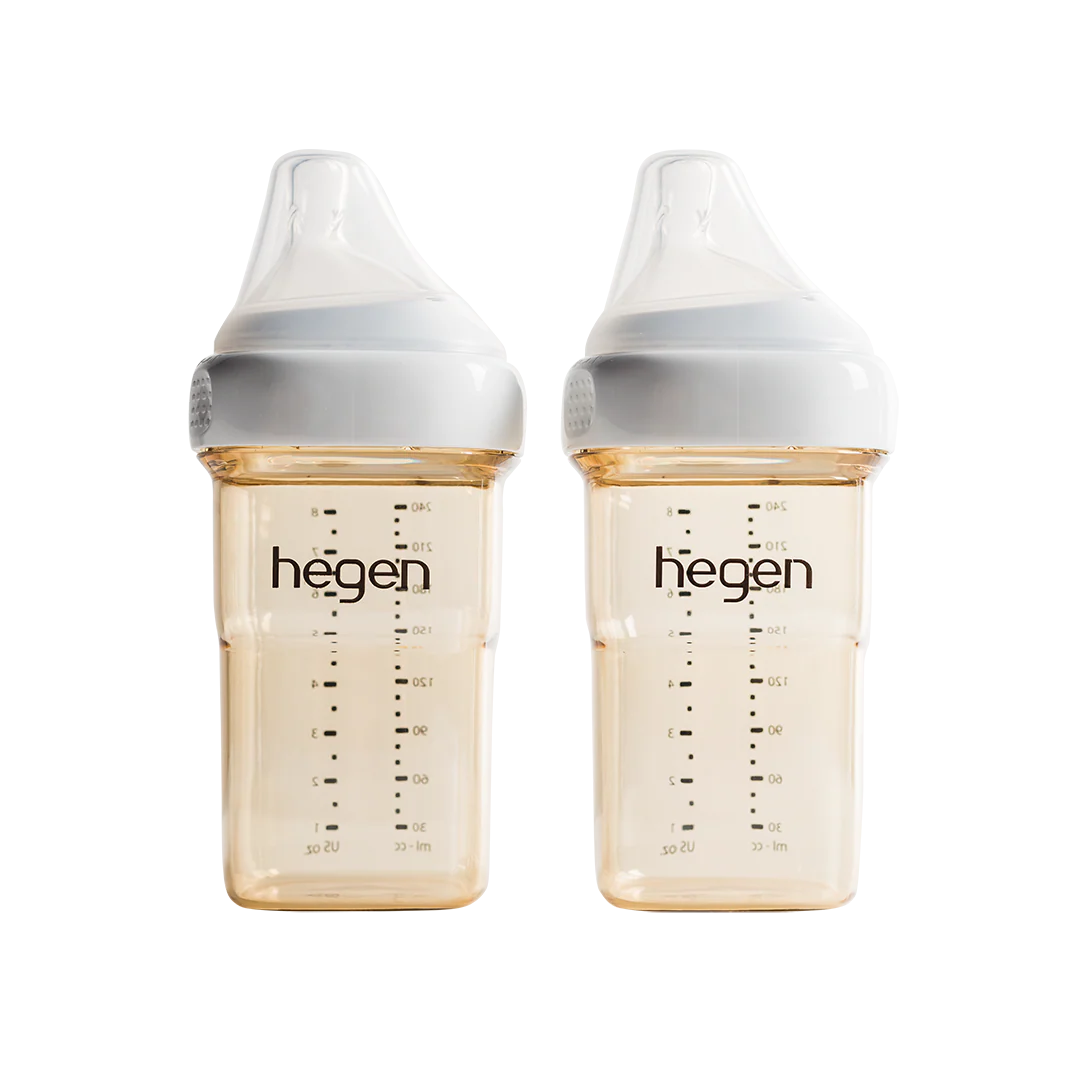
A Singapore-born brand offering stackable, modular bottles designed for convenience and space-saving. Their teats are soft and breast-like, and the bottles work with their own feeding system. Particularly suited to parents valuing local innovation, compact storage, and a complete integrated feeding ecosystem.
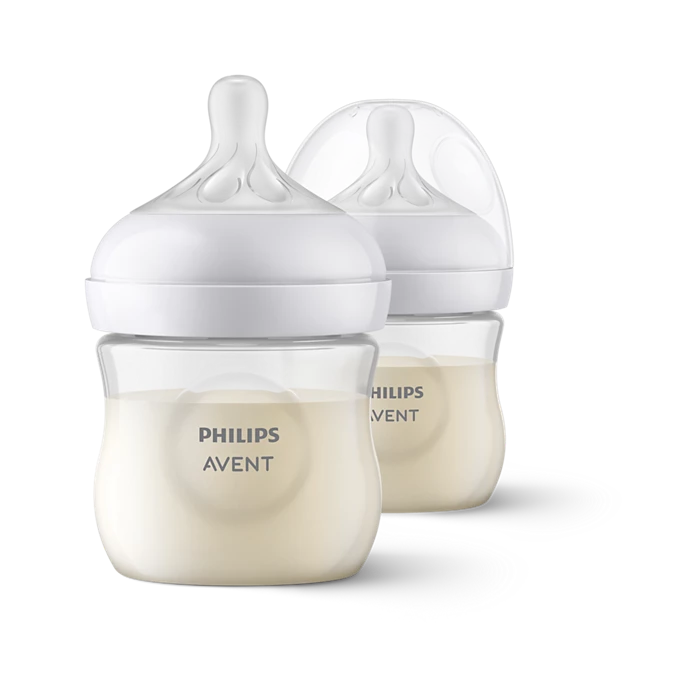
One of the most widely available brands in Singapore, Avent offers straightforward, durable bottles with natural-feel teats and anti-colic technology. Their teats are easy to find as replacements, and the range suits various feeding stages. Good for parents wanting accessible, no-fuss options with solid local availability.
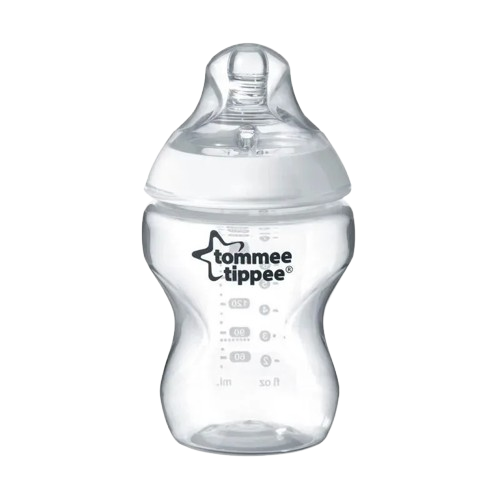
British brand known for innovative anti-colic systems and bottles that adapt to a baby's natural feeding style. Their teats are designed to flex during feeding, reducing confusion between breast and bottle. Suits parents seeking advanced technology and a gentler transition between breastfeeding and bottle-feeding.
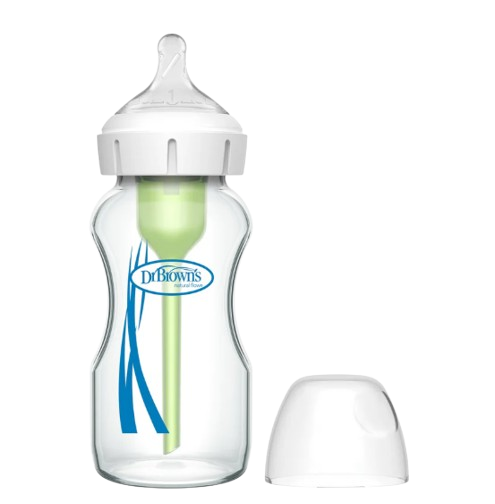
Known for their internal vent system designed to reduce air intake during feeding, these bottles aim to minimise colic and wind. They have a slightly more complex design with multiple parts to clean, but many parents find the anti-colic benefit worthwhile. Suits parents specifically seeking colic relief and those comfortable with extra washing steps.
A Spanish brand offering bottles with orthodontic teats that closely mimic breast shape and feeding motion. Their designs often include anti-colic features and come in attractive colours and shapes. Well-suited to parents seeking a breastfeeding-friendly option with a focus on natural feeding dynamics.
A Japanese brand popular in Asia, Combi bottles are designed with practical features like wide necks for easy filling and cleaning. Their teats are known for gentle nipple feel, and the brand offers good value for everyday use. Ideal for parents wanting reliable, locally-available bottles without premium pricing.
An American brand offering affordable, straightforward bottles in various materials including glass and plastic options. Known for simplicity and value, with bottles that work across different feeding stages. Suits budget-conscious parents who prefer basic functionality and don't mind a simpler design.
Distinctive silicone bottles designed to feel soft and breast-like in a baby's mouth, with wide teats for natural latch. The silicone construction is durable and non-breakable, making them portable-friendly. Best for parents seeking a softer, more natural feel and those worried about breakage during outings.
A Korean brand offering glass and plastic bottles with focus on safety certifications and clean, minimalist design. Their bottles are often BPA-free and use medical-grade materials. Appeals to parents prioritising safety standards and those seeking a modern aesthetic without gimmicks.
Some links are affiliate links: theAsianparent may earn a small commission if you buy through them, at no extra cost to you. Nominees and voting results are never influenced by commercial partnerships.
Parents also ask
How do I know which bottle teat size is right for my baby?
Teats come in stages—typically newborn (slow flow), 3+ months (medium flow), and 6+ months (fast flow)—based on your baby's age and sucking strength. Most babies naturally transition to faster flows as they grow, though some may resist if the flow doesn't suit them; watch for gulping, gagging, or refusing the bottle as signs the flow may need adjusting.
What's the difference between glass, plastic, and silicone bottles?
Glass bottles are durable, don't retain odours or stains, and withstand repeated sterilising, but they're heavier and can break if dropped. Plastic is lightweight and portable but may scratch or discolour over time, while silicone is soft and flexible (mimicking breast texture) but can be harder to clean thoroughly and may not last as long.
How often should I replace bottle teats?
Most manufacturers recommend replacing teats every 1–3 months of regular use, or sooner if you notice they're sticky, torn, or leaking. In Singapore's warm, humid climate, teats can deteriorate faster, so inspect them monthly for signs of wear and keep spares on hand to avoid feeding delays.