These are the baby snack/finger food brands nominated by real Singapore parents at the theAsianparent Awards 2026 — the parenting community's own shortlist, verified by our Singapore editors.
Baby finger foods and snacks are designed to help little ones develop self-feeding skills, explore new tastes, and get nutrition as they transition from purées to textured foods—usually around 6 months onwards. When choosing finger foods for your baby in Singapore's warm, humid climate, consider these practical factors: storage requirements (some need refrigeration; others are shelf-stable), age-appropriateness and texture (ensuring they dissolve easily to prevent choking), suitability for your baby's current chewing ability, nutritional content (whole grains, minimal added sugars, fortification where relevant), whether they're locally available or easy to order, and price per serving across your monthly budget. Many parents find it helpful to mix homemade options (steamed fruit, soft vegetables) with commercial snacks for variety and convenience. A honest tip: introduce one new snack at a time and watch for any signs of allergic reaction or digestive upset. Most babies do best with a rotation of simple, recognisable foods rather than too many novelty products at once.
The 2026 nominees
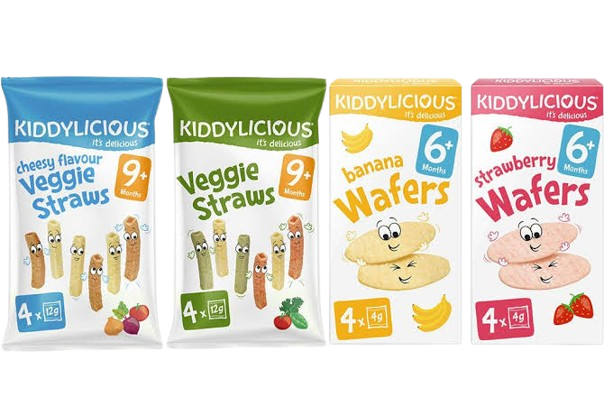
Kiddylicious
Kiddylicious specialises in organic and wholefood-based snacks like fruit crisps, vegetable snacks, and rice wheels, emphasising minimal ingredients and no artificial additives. Popular with parents wanting cleaner-label options, it's positioned at a mid-to-premium price point and is widely stocked in Singapore's supermarkets and online platforms.
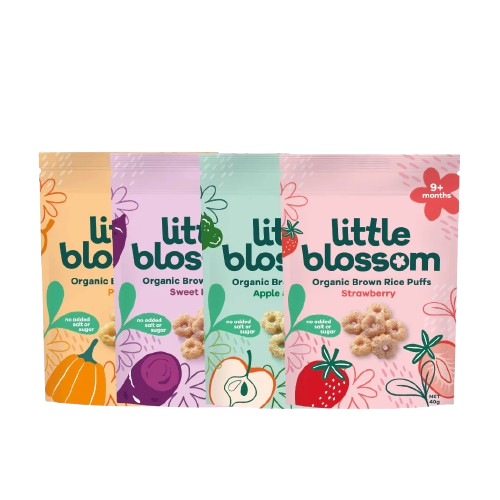
Little Blossom offers organic baby snacks and biscuits, emphasising whole grains and natural ingredients without artificial colours or preservatives. This brand suits health-conscious parents willing to invest in premium options; it's typically found in specialist baby shops, organic retailers, and online platforms in Singapore.
Gerber is an established international baby food brand with a wide range of finger foods, puffs, and biscuits designed for developmental stages from 6 months up. Known for accessible pricing and broad availability in supermarkets and pharmacies across Singapore, it suits parents seeking familiar, budget-conscious options with various texture stages clearly labelled.
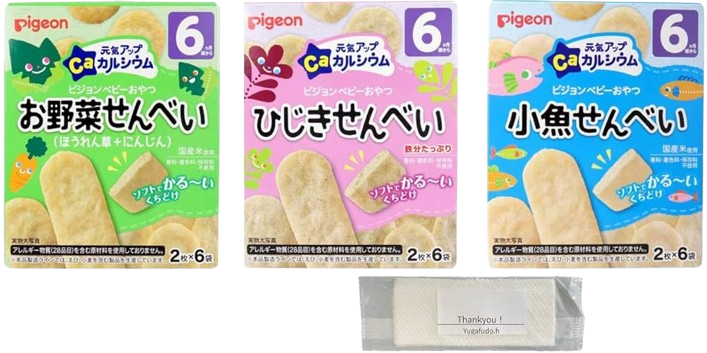
Pigeon is a trusted Asian brand known for a broad range of baby and toddler products, including finger foods, biscuits, and snacks at competitive prices. With strong presence in Singapore's pharmacies and supermarkets, it appeals to parents seeking reliable, locally-familiar options at accessible price points across multiple developmental stages.
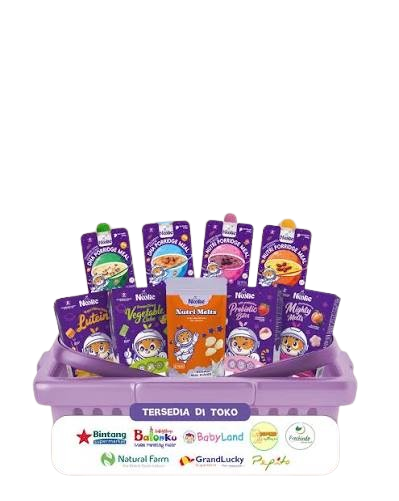
Noolie specialises in noodle-based finger foods and innovative snack formats designed for self-feeding, combining convenience with variety. It appeals to parents wanting something beyond traditional biscuits and puffs, though it's a newer or niche option so availability and price vary by retailer.
Apple Monkey focuses on freeze-dried fruit snacks and simple, single-ingredient products without added sugars, aiming to replicate whole-food snacking in convenient form. This brand suits parents prioritising minimal processing and natural ingredients, though pricing tends toward premium and availability may be more limited to online or specialty stores.
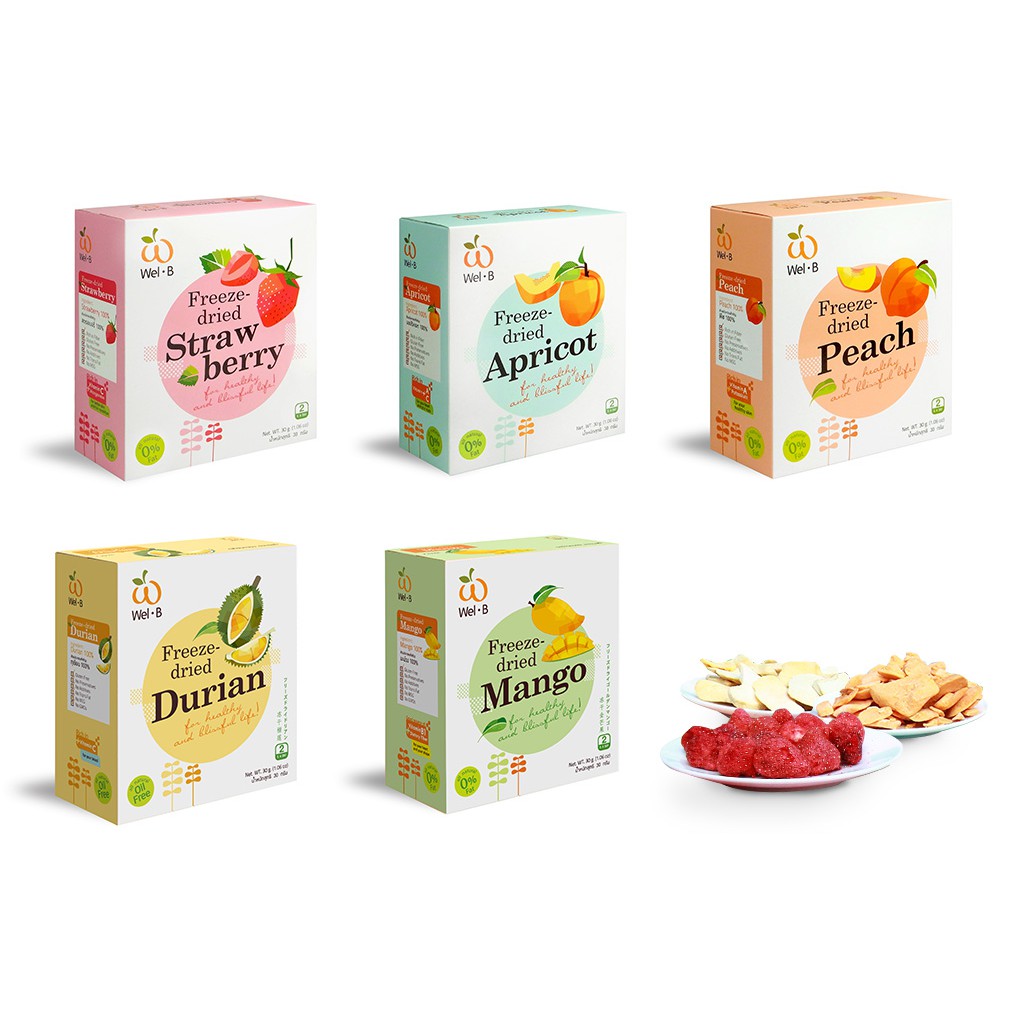
Wel.B is a local Singapore-based brand offering finger foods and snacks formulated with local tastes and ingredients in mind, often featuring fortified cereals and combinations of grains and fruits. It appeals to parents seeking locally-made alternatives with transparency about ingredients, and is increasingly available through online and retail channels.
Some links are affiliate links: theAsianparent may earn a small commission if you buy through them, at no extra cost to you. Nominees and voting results are never influenced by commercial partnerships.
Parents also ask
At what age can babies start eating finger foods?
Most babies are ready for finger foods around 6–8 months old, once they can sit upright with minimal support and show interest in self-feeding. Readiness varies by child; speak with your health visitor or paediatrician if you're unsure whether your baby is developmentally ready to avoid choking risks.
What texture should baby finger foods have?
Finger foods should be soft enough to dissolve quickly in the mouth with minimal chewing—think easily mashable between your thumb and forefinger. Foods that crumble rather than stay intact, or dissolve into small soft pieces, are safest for babies still developing their chewing and swallowing coordination.
Are commercial baby snacks necessary, or can I make finger foods at home?
Homemade options like steamed vegetables, ripe fruit, and soft bread are nutritious and cost-effective, but commercial snacks offer convenience and variety. Many parents use a mix of both, choosing commercial snacks for outings and homemade foods when time allows, depending on their lifestyle and budget.